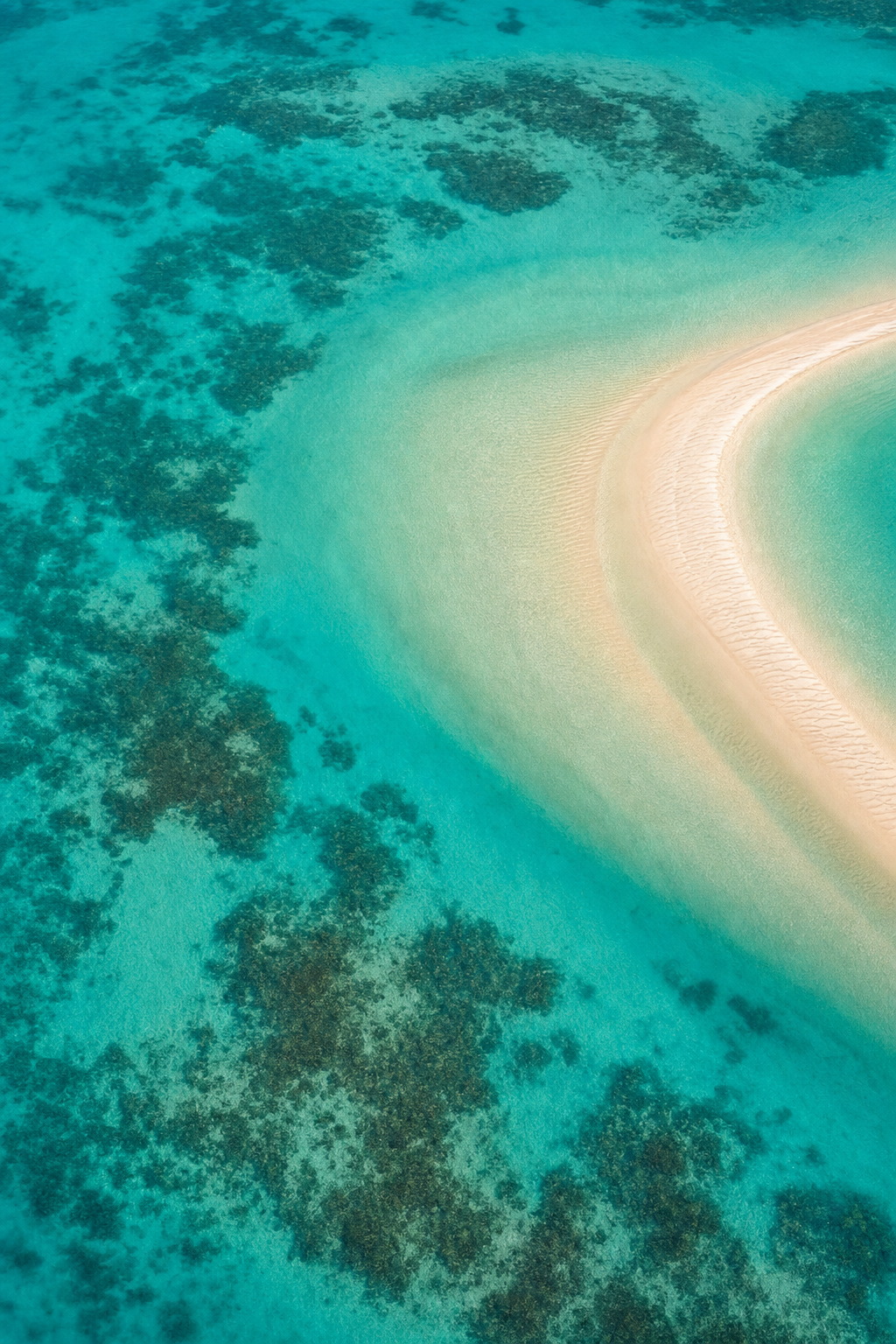
Bunces Pass is the Gulf-side water you drop into when you launch at Fort De Soto, and it's one of the best half-day runs in Pinellas — shallow flats, Shell Key and the pass itself, and the Skyway on the horizon. It's also shallow, tide-sensitive, and wind-blown in a way the tide tables don't warn you about. This is what I actually watch before I point the pontoon out there.
Getting out there
The launch is Fort De Soto's boat ramp. One working double ramp — the rest are still out from hurricane damage — but the weekend wait is usually short. Parking is ParkMobile, about $6 and it covers the boat and trailer. From the ramp it's a short idle out to the pass.
The water
Bunces Pass connects the back of Mullet Key Bayou to the Gulf, between the southern tip of Fort De Soto and Shell Key. It's mostly sand and grass flat with a marked channel through the middle. Depths off the channel run skinny — a couple of feet at mean tide in places, less when the water's pushed out. A pontoon drafts little, which is exactly why this water suits one; deeper-V boats have to be more careful about where they leave the channel.
The main line: stay in the marked channel until you're well past the pass mouth, then you can loosen up onto the flats. Shell Key is the obvious sandbar-and-anchor stop on a good day.
The tide and wind — the part the tables won't tell you
Read the St. Petersburg station (8726520), not Port Manatee. Port Manatee sits up in a shipping basin across the bay; St. Pete reads the same open Gulf coast you're boating. Distance is about the same, the water isn't.
Even then, treat the prediction as a floor. Tampa Bay is broad and shallow, and wind moves the actual water level as much as the moon does. A hard offshore (easterly) wind holds water down and can push high tide later; a sustained southwest wind piles it up and moves it earlier. The practical rule I use: plan a Bunces Pass run for rising or high water, and if it's been blowing hard out of the east, leave extra depth margin over whatever the table says.
When to go
Weekday mornings are the easy mode — lighter boat traffic, flatter water, less competition at the sandbar. Summer means afternoon storms; get off the water before the seabreeze builds. Winter fronts bring the north wind and the best water clarity of the year, but also the strongest tidal swings.
Good to know
- Launch: Fort De Soto Park Boat Ramp (24 hours, lit, ParkMobile ~$6 covers boat and trailer)
- Closest NOAA reference: St. Petersburg 8726520
- Watch: no-wake around the Mullet Key Bayou launches; mapped FWC manatee protection zones in the shallows — check posted signs
- Pinellas County: (727) 582-2100